Global Shifts in Digital Transaction Methods for Virtual Gaming Platforms
Amir Brooks · Sep 30, 2026

Global Shifts in Digital Transaction Methods for Virtual Gaming Platforms
Payment systems in online casinos have undergone significant changes driven by technological advances and regulatory updates across multiple jurisdictions, with data from industry reports showing increased adoption of instant transfer options in recent years. Observers note that these platforms integrate various funding methods to accommodate users from different regions, while processing speeds and security protocols continue to evolve based on compliance requirements set by government agencies.
Core Payment Categories and Their Operational Mechanics
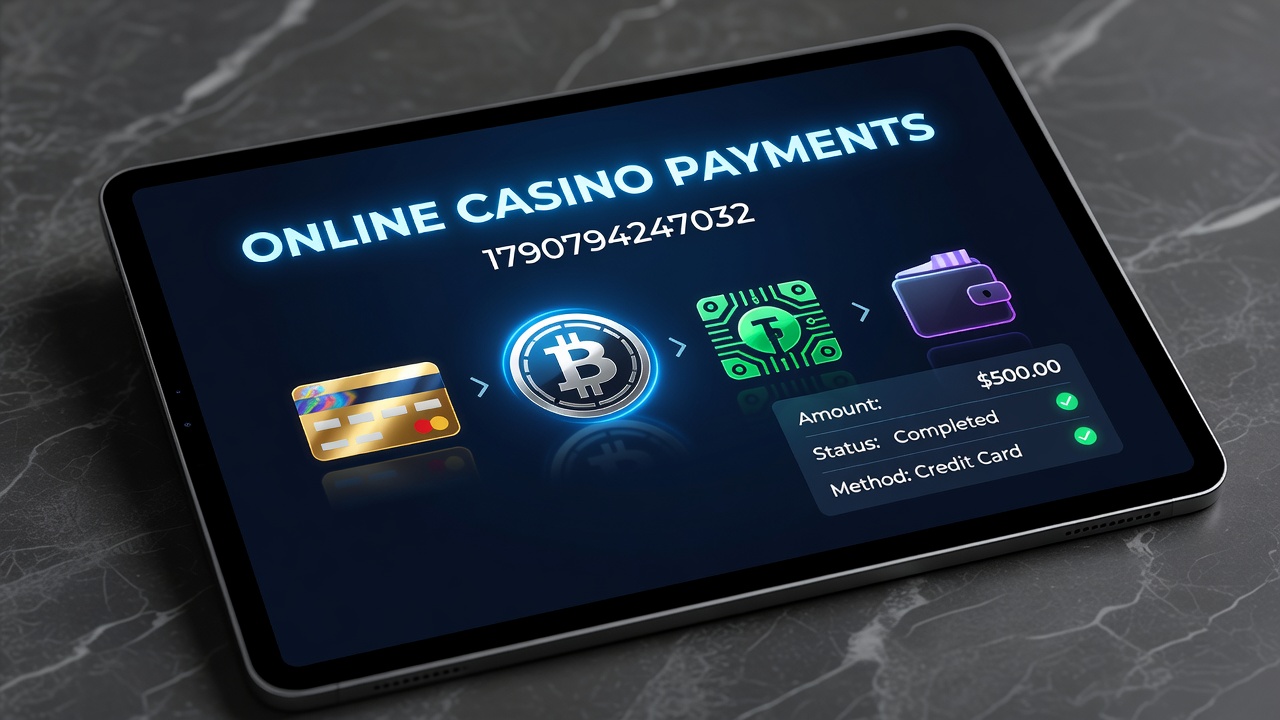
Traditional bank transfers remain a staple for many operators, yet electronic wallets and prepaid cards have gained traction because they reduce direct exposure of banking details during transactions. Researchers at academic institutions have documented how these alternatives streamline verification layers, allowing funds to move through encrypted channels that comply with data protection standards in places such as the European Union and parts of North America. Credit and debit card networks still handle substantial volumes, although some providers impose additional authentication steps to align with anti-money laundering rules enforced by bodies like the Financial Transactions and Reports Analysis Centre of Canada.
Digital asset transfers represent another growing segment, where blockchain-based options facilitate cross-border movements without traditional intermediaries. Figures from market analyses reveal steady integration of these methods in licensed environments, particularly where local laws permit their use under strict auditing protocols. Those who monitor transaction patterns observe that conversion rates between fiat currencies and digital tokens introduce additional checkpoints, extending settlement times in certain cases but enhancing transparency through immutable ledgers.
Verification Processes and Security Frameworks
Multi-factor authentication has become standard across most platforms, combining device recognition with personal identifiers to mitigate fraud risks. Data from regulatory filings indicate that operators in Australia and select Asian markets have tightened these requirements following updates to consumer protection guidelines in early 2026. Experts point out that identity confirmation often involves third-party services that cross-reference documents against government databases, creating a layered approach that balances speed with compliance.
Encryption standards such as TLS 1.3 now feature prominently in payment gateways, while tokenization replaces sensitive card information with unique codes that hold no reusable value. Studies conducted by research groups in the United States highlight how these measures have contributed to lower incident rates in monitored networks, although ongoing adjustments occur as new threats emerge. Platforms frequently update their systems in response to directives from oversight entities, ensuring alignment with international benchmarks for financial data handling.
Regional Regulatory Influences on Processing Timelines
Rules vary widely by location, with European directives emphasizing consumer safeguards that can extend withdrawal reviews, whereas certain North American states prioritize rapid payouts under controlled licensing regimes. Reports compiled by the New Jersey Division of Gaming Enforcement show how staggered approval stages affect overall fund movement, requiring operators to maintain detailed audit trails for each transaction. In Asia-Pacific regions, authorities have introduced caps on transaction sizes for specific methods to curb excessive risk exposure, a development noted in September 2026 analyses of gaming sector performance.
Operators must navigate these differences when serving international audiences, often deploying localized payment partners to meet jurisdiction-specific mandates. Industry organizations track these adaptations, noting that synchronization between platform software and regional banking networks remains a persistent technical hurdle. Data indicates that delays frequently arise during peak activity periods, prompting some sites to implement automated flagging systems that prioritize low-risk transfers for quicker completion.
Emerging Technologies and Their Integration Patterns
Artificial intelligence tools assist in real-time monitoring of payment flows, identifying anomalies that trigger manual reviews when patterns deviate from established norms. Academic papers from European universities have explored how machine learning models improve accuracy in fraud detection without unduly slowing legitimate activity. Mobile payment applications continue to expand their footprint, integrating directly with casino interfaces to support one-tap deposits that draw from linked accounts or stored balances.
Interoperability between different currency systems poses ongoing challenges, yet solutions involving automated exchange services have reduced friction in multi-jurisdiction operations. Observers document incremental progress in these areas through case examples from licensed operators adapting to updated financial regulations in late 2026. Collaboration between technology providers and gaming associations facilitates testing of new protocols before widespread deployment.
Conclusion
Transaction infrastructure supporting online casinos reflects a complex interplay of technology, regulation, and user expectations that continues to adapt in response to global developments. Available evidence points to sustained investment in secure, efficient systems that accommodate diverse payment preferences while maintaining compliance across borders. Continued observation of these patterns will reveal further refinements as markets respond to new standards and innovations in financial processing.